The History of Wall Mirrors From Ancient Times to Modern Day
The History of Wall Mirrors: From Ancient Times to Modern Day
Wall mirrors have been an essential part of human history, serving both functional and decorative purposes. From ancient civilizations to modern-day homes, these reflective surfaces have evolved in design and significance. Let's take a journey through time to explore the fascinating history of wall mirrors.
Ancient Civilizations
The use of mirrors dates back to ancient times, with the first known mirrors made from polished obsidian by the people of Mesopotamia around 4000 BC. These early mirrors were small in size and handheld, often used for personal grooming and rituals.
In ancient Egypt, mirrors were considered a symbol of wealth and power. Egyptians believed that mirrors had magical properties and were used in religious ceremonies. Mirrors were also placed in tombs to guide the souls of the deceased to the afterlife.
Ancient Greeks and Romans further developed the art of mirror-making, using materials like bronze, silver, and gold to create reflective surfaces. These mirrors were highly polished and adorned with intricate designs, reflecting the artistic and cultural values of the time.
People Also Look For:
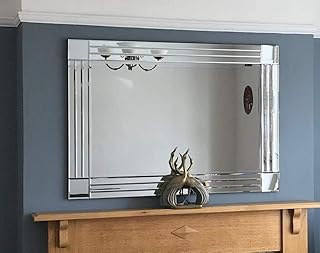
- MirrorOutlet Modern Design Silver Bevelled Edge Venetian Wall Mirror 2ft4 x 3ft4 (70cm x 100cm), 61x51,YC018
- BONNYCO Wall Mirrors Pack of 3 Round Gold Mirrors for Living Room, Home Decor and Bedroom | Hanging Wall Decoration Hallway | Smal...
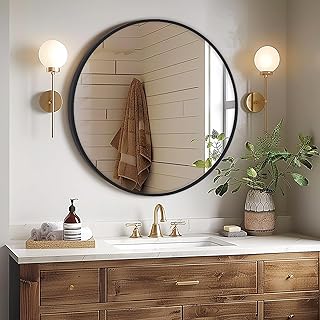
- JJUUYOU Round Wall Mirror Circular Mirror for Bathroom Black Vanity Mirrors Vintage Wood Frame Rustic Small Make up Mirrors for Li...
- Biznest Window Style Wall Mirror Durable Frame Indoor/Outdoor Living Collection Rectangular Wall Mirror 50X76Cm (Black)
- Reflix Wall Mirror 50x75 cm, Gold Bathroom Wall-Mounted Mirror Decoration for Living room, Bedroom, Entrance
The Middle Ages
During the Middle Ages, mirrors were rare and expensive luxury items, often reserved for royalty and nobility. Mirrors were made from highly polished metal, such as brass or silver, and were small in size due to the high cost of materials.
It wasn't until the Renaissance that mirrors became more widely available to the general population. Venetian glassmakers revolutionized mirror-making by developing a technique for coating glass with a thin layer of metallic silver, creating clearer and larger reflective surfaces.
The Industrial Revolution
The Industrial Revolution brought significant advancements in mirror production, making them more affordable and accessible to the masses. In the 19th century, mass-produced mirrors made from glass became common household items, adding a touch of elegance and sophistication to interior spaces.
Innovations in mirror manufacturing continued throughout the 20th century, with the introduction of new techniques and materials. Mirrors became larger, more durable, and available in a variety of shapes and styles to suit different design preferences.
Modern-Day Mirrors
Today, wall mirrors are an integral part of interior design, serving both practical and aesthetic purposes. Mirrors are used to create the illusion of space, enhance natural light, and add a decorative element to rooms. From minimalist and contemporary designs to ornate and vintage styles, there is a mirror to suit every taste and décor.
Advancements in technology have also led to the development of smart mirrors, which come equipped with features like built-in lighting, Bluetooth connectivity, and touch-screen controls. These innovative mirrors combine functionality with modern convenience, adding a futuristic touch to any space.
Conclusion
The history of wall mirrors is a testament to the enduring appeal and versatility of these timeless objects. From their humble beginnings in ancient civilizations to their modern-day iterations, mirrors continue to captivate us with their beauty and utility. Whether used for practical purposes or as decorative accents, wall mirrors will always hold a special place in our homes and hearts.